Rice is a staple food and one of the most widely consumed grains in the world. It is a cereal grain that is a primary source of nutrition for a large part of the world’s population, particularly in Asia. Hybridized rice seeds are versatile, have a mild flavor, and complement a wide variety of dishes.
Here are some key points about rice:
Types of Rice:
There are many varieties of rice, including white rice, brown rice, basmati rice, jasmine rice, sushi rice, Arborio rice, and wild rice, among others. Each type has its own distinct characteristics and culinary uses.
Nutritional Value:
Rice is a good source of carbohydrates, which provide energy for the body. It is low in fat, cholesterol-free, and contains essential vitamins and minerals such as thiamin, niacin, vitamin D, calcium, iron, and potassium. People consider brown rice healthier than white rice because it retains the bran and germ layers, which provide extra nutrients and dietary fiber.
Culinary Uses:
People use rice as a base ingredient in numerous dishes worldwide. People can boil, steam, fry, or bake rice, using it as a foundation for cuisines such as Chinese, Indian, Japanese, Thai, Mexican, and more. Rice features in popular dishes like fried rice, biryani, risotto, sushi, paella, and rice pudding.
Rice Production:
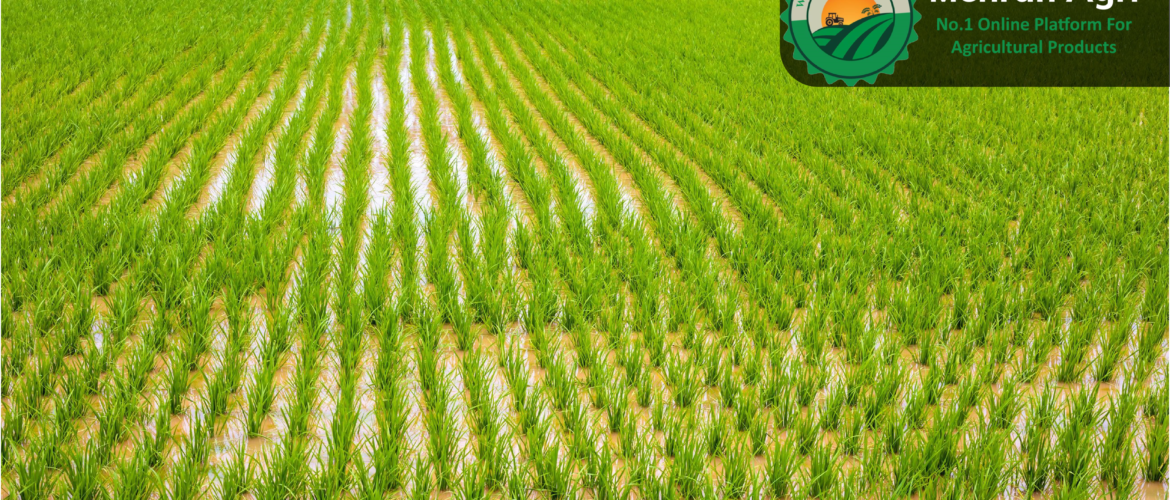
Farmers primarily cultivate rice in flooded fields called paddy fields. The main producers of rice are China, India, Indonesia, Bangladesh, Vietnam, Thailand, and Myanmar. Different regions have their own preferred rice varieties based on climate, soil, and cultural preferences.
Cultural Significance:
Rice plays a significant role in many cultures and traditions. Many cultures often consider rice a symbol of prosperity, fertility, and hospitality. Rice is an integral part of religious ceremonies, festivals, and special occasions in many countries.
Environmental Impact:
Rice cultivation has both positive and negative environmental impacts. While rice paddies provide habitat for various species and help maintain wetland ecosystems, they also contribute to methane emissions, a potent greenhouse gas. Researchers and farmers are developing sustainable farming practices and water management techniques to reduce the environmental impact of rice production.
Overall, rice is a versatile and widely consumed grain that has played a vital role in feeding populations across the globe for centuries. Its culinary significance, nutritional value, and cultural importance make it a staple in many households and cuisines.